
Kamath Robotics: 6 months in
What I've been up to, a change in directions, and plans for the future

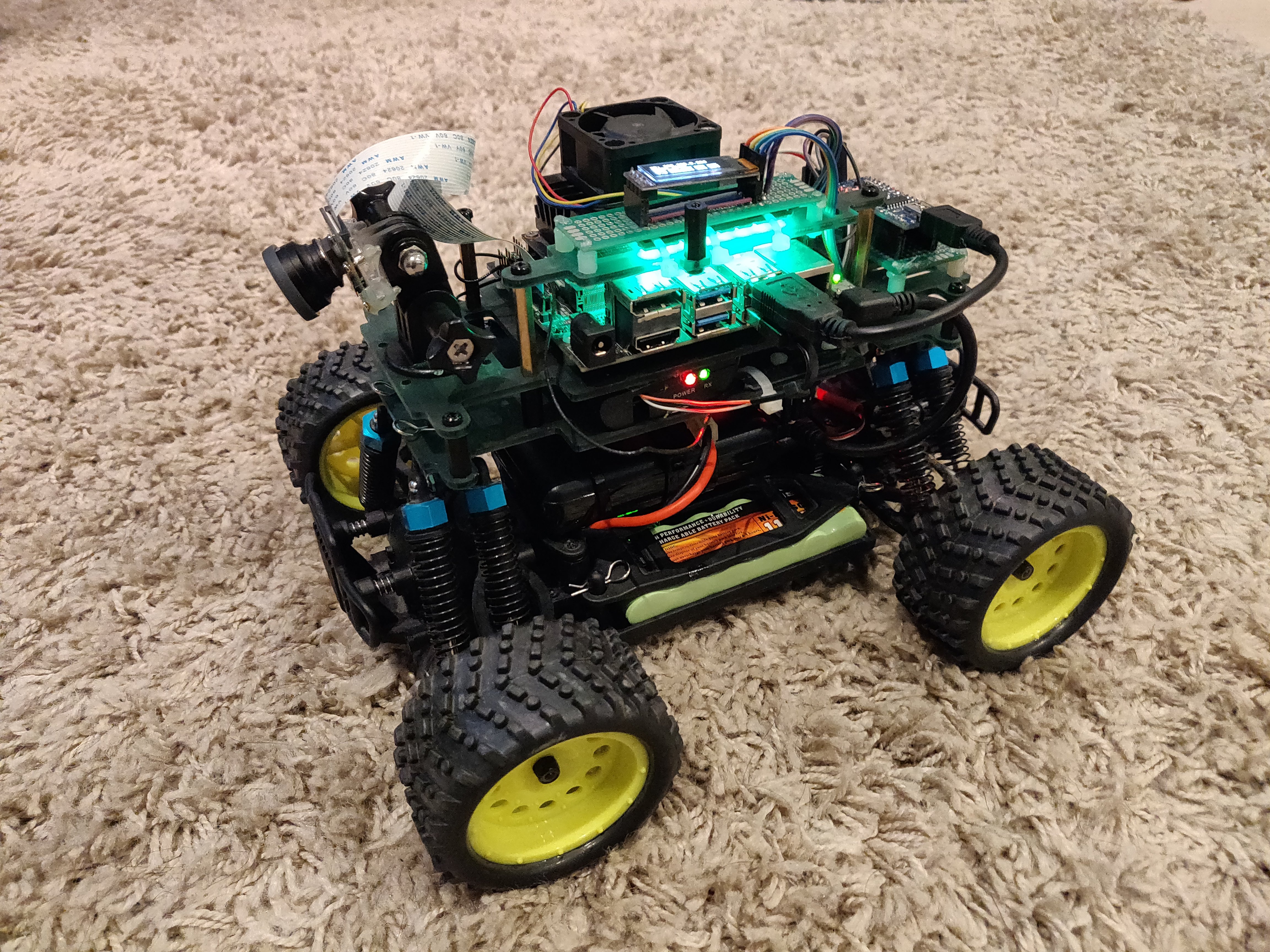
My story started during the COVID-19 lockdown in 2020, when a software-focused screen-facing job left me stuck indoors with more spare time than I knew what to do with, and an itch to finally work with actual hardware instead of just code. I spent this free time teaching myself CAD, laser cutting, and 3D printing at my employer's innovation lab, and built a custom variant of the Donkey Car project — swapping out its own stack for ROS, because I wanted to sharpen my skills since last using it three years ago.
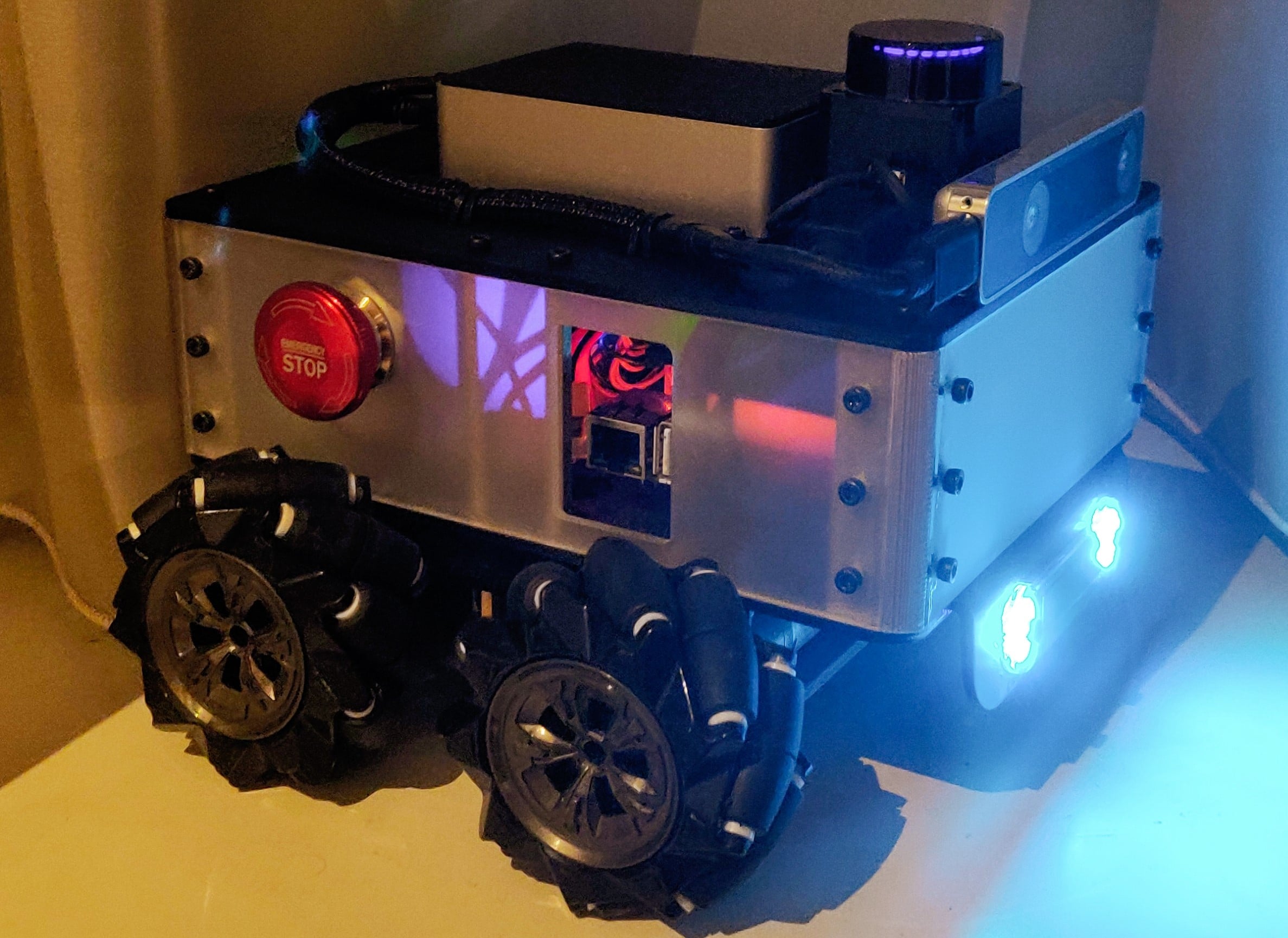
I had no idea this would turn into anything more than a hobby. Since then, I've built several robot platforms (including AKROS, which became a major project), written more blog posts than I can count, given talks at local conferences, attended three ROSCons, and picked up a handful of freelance projects along the way.
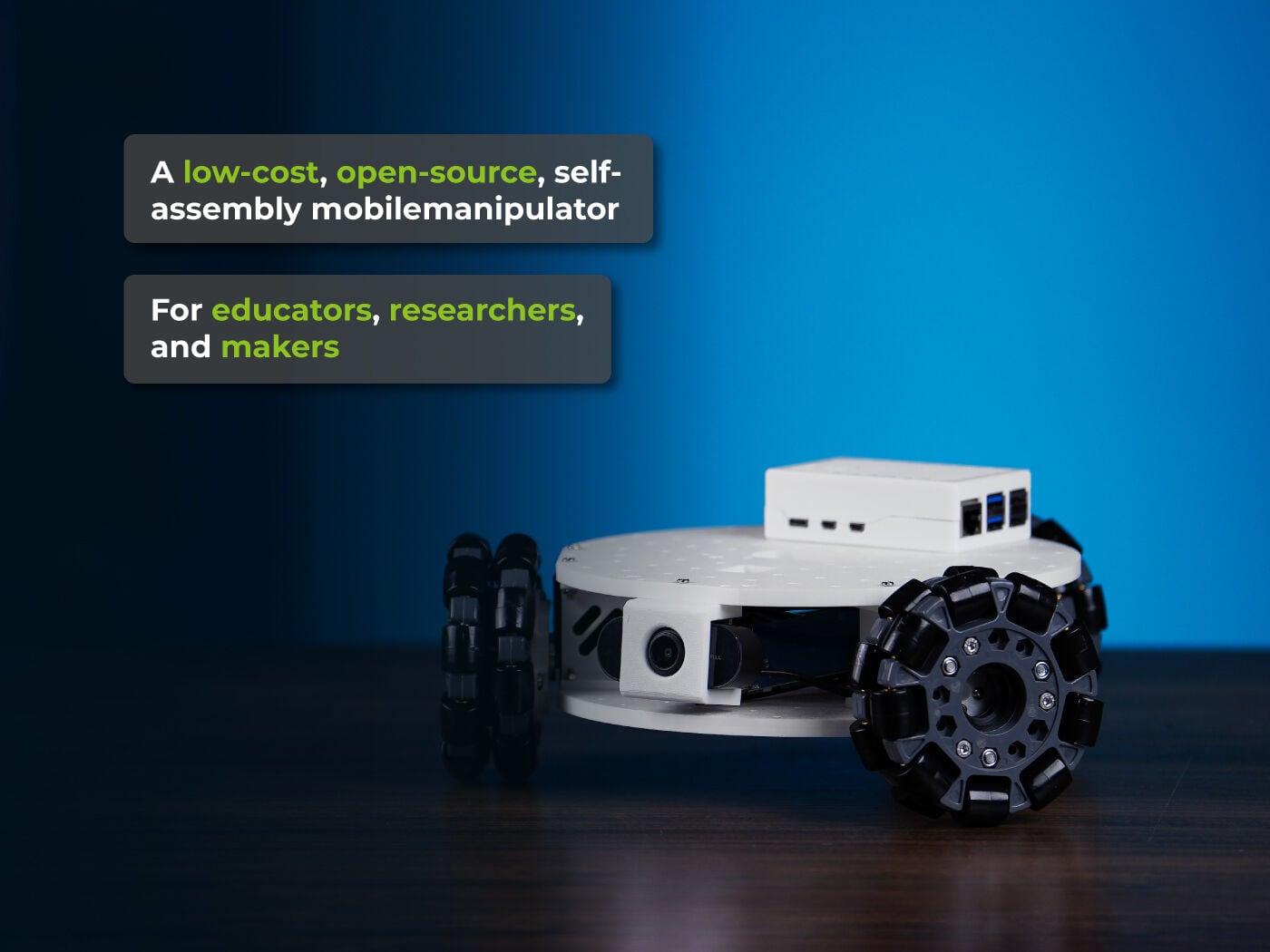
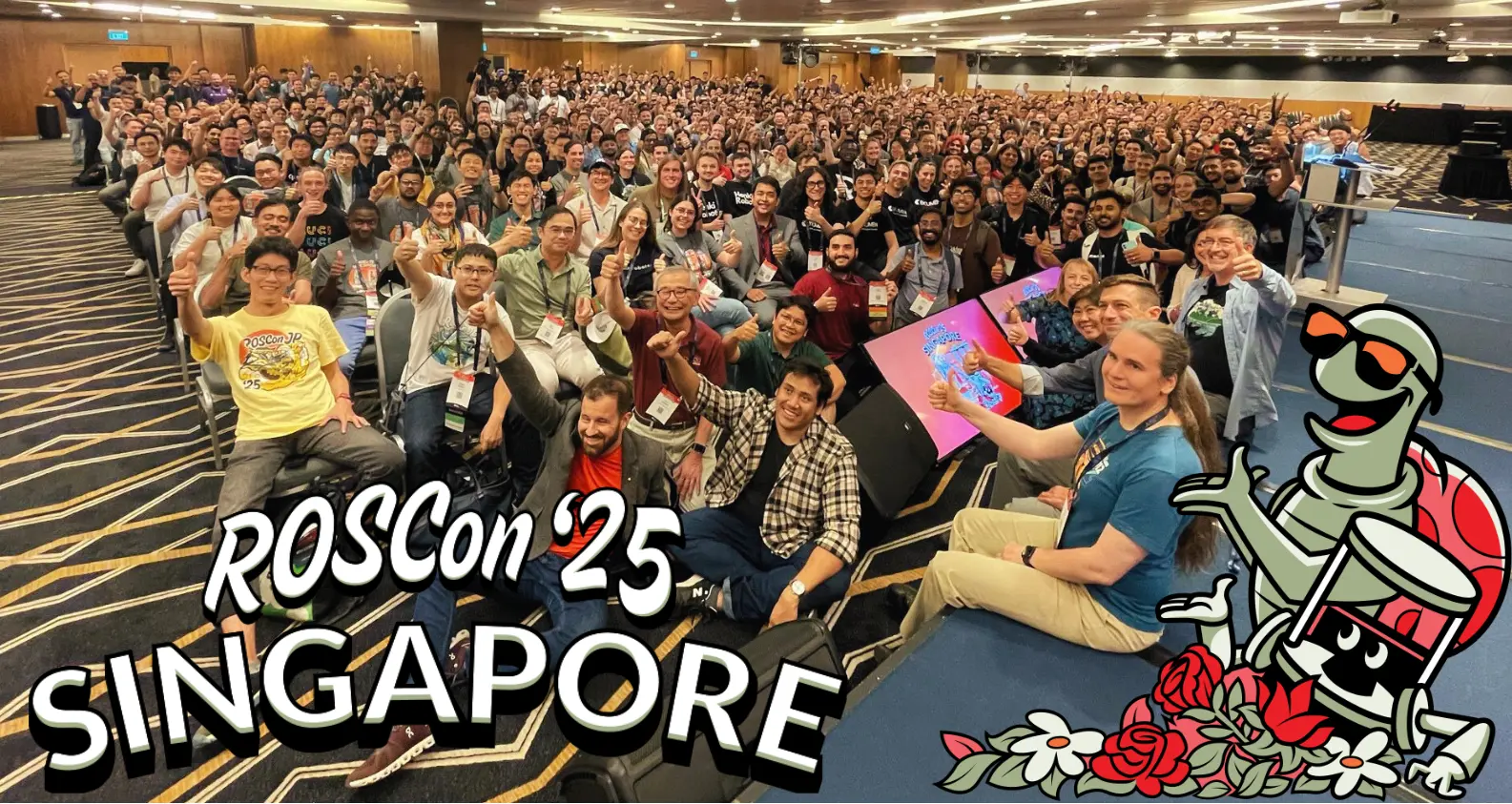
Then ROSCon 2025 in Singapore happened, and changed my perspective entirely. I spent the week talking to freelancers and independent roboticists, and flew home with an idea I couldn't shake: make this side-hustle official. Also, build a robot, for which I chose LeKiwi mobile base and ended up buying a kit from Seeed Studio on my flight back.
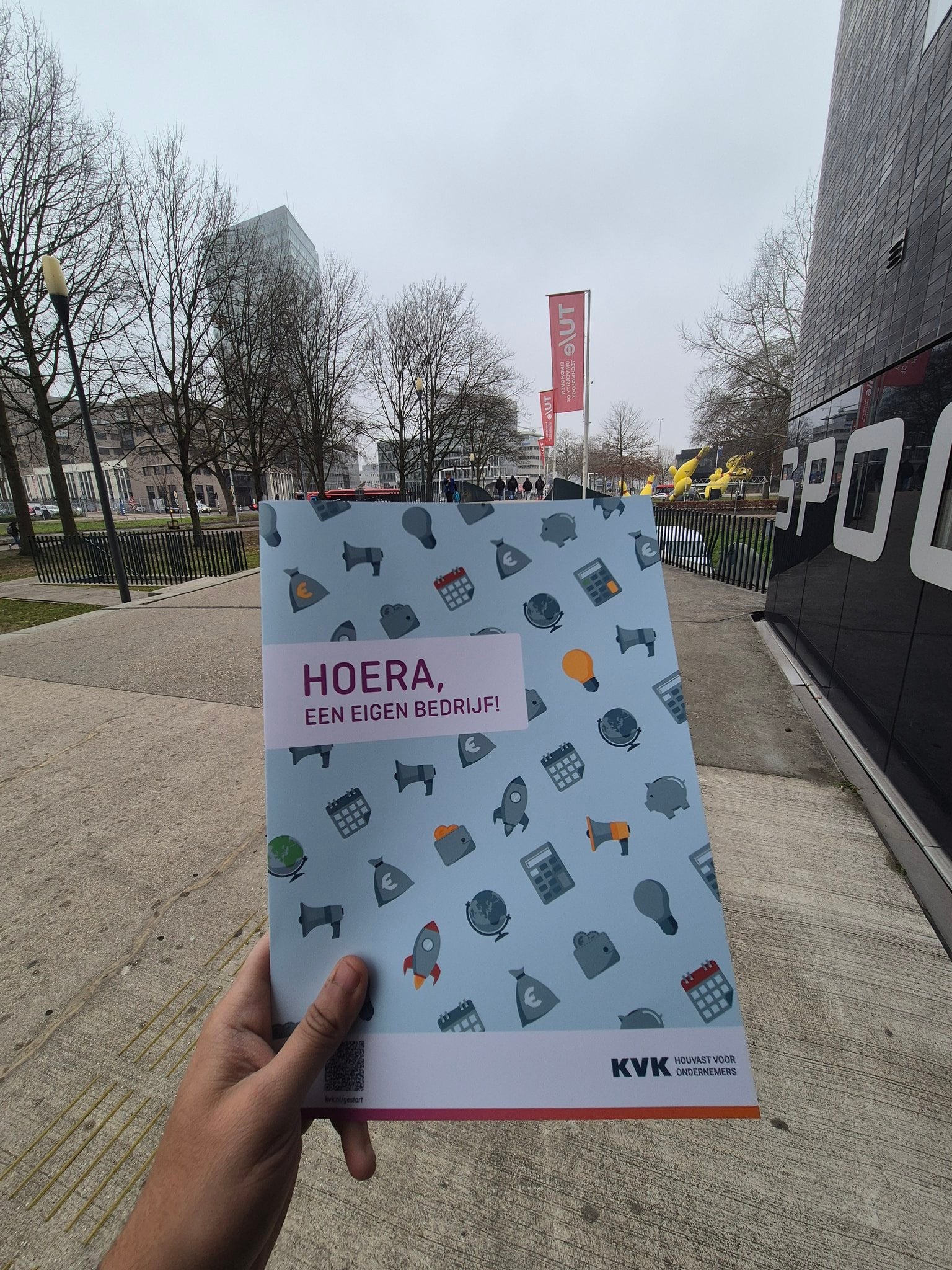
Eventually, after some thought and some procrastination, I finally registered Kamath Robotics as an eenmanszaak — a Dutch sole proprietorship — with the Chamber of Commerce. That was exactly six months ago.
The Last Six Months
The original plan was simple on paper: split my time roughly 24 hours a week between freelance/contract work and my own projects that I hoped to eventually turn into products. In practice, a lot of that time went into LeKiwi — upgrading the hardware, building out its ROS 2 software stack, and writing my own packages along the way, like sts_hardware_interface, a hardware interface for STS-series servos (the STS3215 in particular) that powers platforms like the SO-101, LeKiwi, and XLeRobot.
The other development I didn't see coming was writing for Foxglove. In Singapore, Mat Sadowski — editor of the Weekly Robotics newsletter, now in developer relations at Foxglove — suggested I start writing for their blog. It was an easy yes: I was already building things, writing about them, and using Foxglove to visualize all of it, so the fit was obvious. Over the last six months, I've published several posts documenting the LeKiwi build while putting Foxglove's visualization capabilities through their paces. It's worked out well for both sides — Foxglove gets high-quality technical content grounded in a real build, and I get to keep doing the two things I like most: building robots and writing about them.
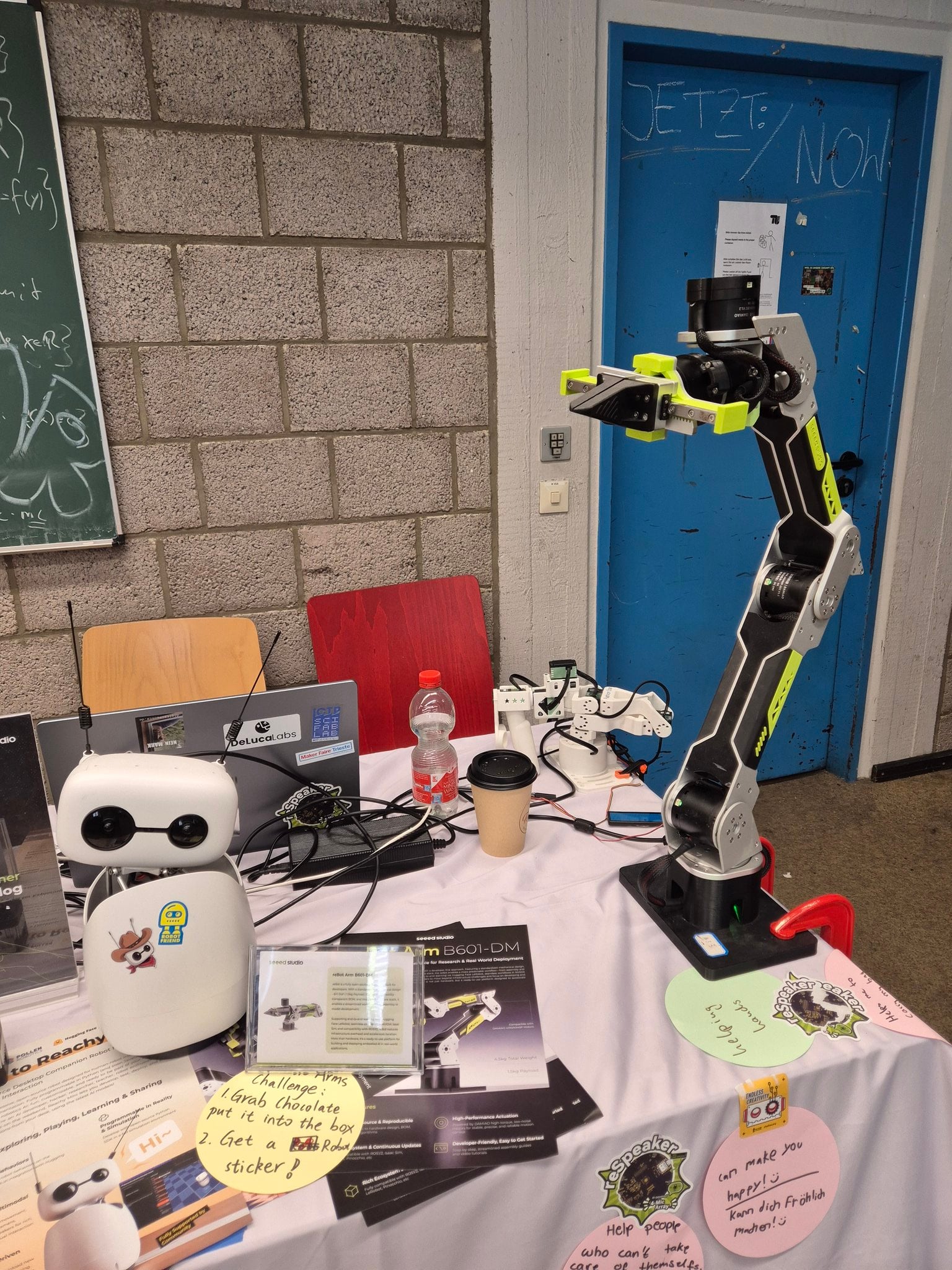
That same pattern repeated itself in May at the Open Hardware Summit in Berlin, where I got to talking with Seeed Studio's team at their booth, including Jinger Zeng from their developer relations team. I also got lucky as their ReBot arm demonstrator was stuck, and I was at the right place at the right time to flex my skills and get it working within minutes. This, along with some conversations with the team, ended up in an invitation to apply to their Seeed Rangers and Physical AI Ambassador programs. Once again, an easy yes — I was already deep into Seeed hardware: LeKiwi is built on their platform, I'd just ordered a reSpeaker Flex mic array after learning about it at the summit, and an SO-101 arm is next on my list to work with.
Speaking of conferences and summits, I can't forget this year's ROSCon in Toronto. Honestly, I couldn't be bothered - it is too far away and probably going to be ridiculously expensive, so I decided to be smart with my money and attend some local ROSCons instead. I sent in a proposal for a 10-minute talk at ROSCon UK on how I built sts_hardware_interface, and the organizers came back asking if I'd be okay doing a 45-minute deep-dive instead. And of course I was, 10 minutes was probably a little short to explain creating a hardware interface, but with 45 minutes, I can also do a demo. So ROSCon UK will be my first ROSCon as a speaker rather than just an attendee — my first ROSCon talk, period, and I'm pretty excited about it. Also, can't wait to be back in Edinburgh!
I'm also considering sending in a proposal to ROSCon Belgium about my work with LeKiwi and SO-101. Both talks lean heavily on Seeed Studio hardware, which fits neatly with representing them as an ambassador at both events; I'll effectively be repping both Kamath Robotics and Seeed at the same time.
Other than this, I've also been brewing a few things quietly on the side. One of these things is ros2-skill, an agent skill that lets an AI agent control ROS 2 robots directly through natural language, no rosbridge required. It partly draws inspiration from AgenticROS and ros-mcp-server, and builds on top of ros-skill. I've been testing it on my own LeKiwi project for a while now, quietly working out the rough edges.
As for the second thing, I can't really talk about it just yet — there's still some administrative work in progress on it. What I will say is that it involves a collaboration, and if it comes together the way I hope (fingers crossed), the Kamath Robotics fleet might be getting a humanoid soon. More on this once I'm actually able to share it.
Adjusting the Plan
My original goal of becoming a part-time freelancer and taking on contract work turned out to be harder than I expected. Running Kamath Robotics alongside a full-time job means everything has to happen outside my working hours, per my agreement with my employer. In practice, that's evenings and weekends. And this included freelance work, my personal projects, and blogging. This was getting a little too much.
That's not quite how it has played out, though. The Foxglove partnership, and more recently the one with Seeed, nudged me in a different direction entirely — toward written content, technical documentation, marketing, and product reviews rather than billable technical projects. I've also stopped actively looking for freelance or contract work on the technical side. I'm happy building my own projects and writing about them instead.
This shift has also changed who I reach out to. Rather than chasing client work, I've been talking to companies that build sensors, actuators, compute modules, and other robotics hardware and software, with the idea of incorporating their products into my own builds and then writing detailed articles or technical documentation about them.
A few years ago, a fellow roboticist suggested applying to conferences as "media" — it usually comes with a registration fee waiver and a bit more access than a regular attendee, in exchange for coverage. Back then, I was blogging mostly for myself, mostly as a build journal, and I had no company behind me to make that case. Now that Kamath Robotics is a real, registered business, I'm finally in a position to give it a try.
And that's exactly what I did for ROSCon UK. I shared information about this blog with the Tartan Robotics Collective (the organizers) and asked them whether they would consider me a media person. Turns out they did! I have already written about my previous ROSCon experiences, and I intended to write a blog about ROSCon UK anyway, only now I will be doing that professionally. This definitely validates the new direction I am taking Kamath Robotics in...
That extra breathing room has also opened up time to chase product ideas properly. LeKiwi keeps proving itself as I build on it, but it does come with its fair share of issues - the STS3215 motor variants are either too slow or too weak, and there's no variant that has the right balance, and they are all way too noisy. But while working on the platform, I've learned a lot, and I am ready to translate these learnings onto another robot platform that I will build from scratch. I've already got some ideas thanks to some interesting discussions online, and I've half-jokingly started calling this new robot the unofficial TurtleBot 5. More on this when the time is right...
To be clear (especially to potential clients), I haven't shut the door on freelance or contract work entirely. If something really interesting comes along and fits inside my existing hours, I'm still open to it. I'm just not actively chasing it anymore, unlike the media engagements I mentioned above.
The Next Six Months
Looking forward, I've got a few things on the list. First, is the SO-101 arm, I want to get it talking ROS 2 properly, rather than a thin interface with LeRobot, the same way I did with LeKiwi. At the same time, I want to design and implement features that let me control the arm with a Steam Deck and a VR controller, rather than needing a leader arm.
https://twitter.com/kamathsblog/status/2083151144310739091
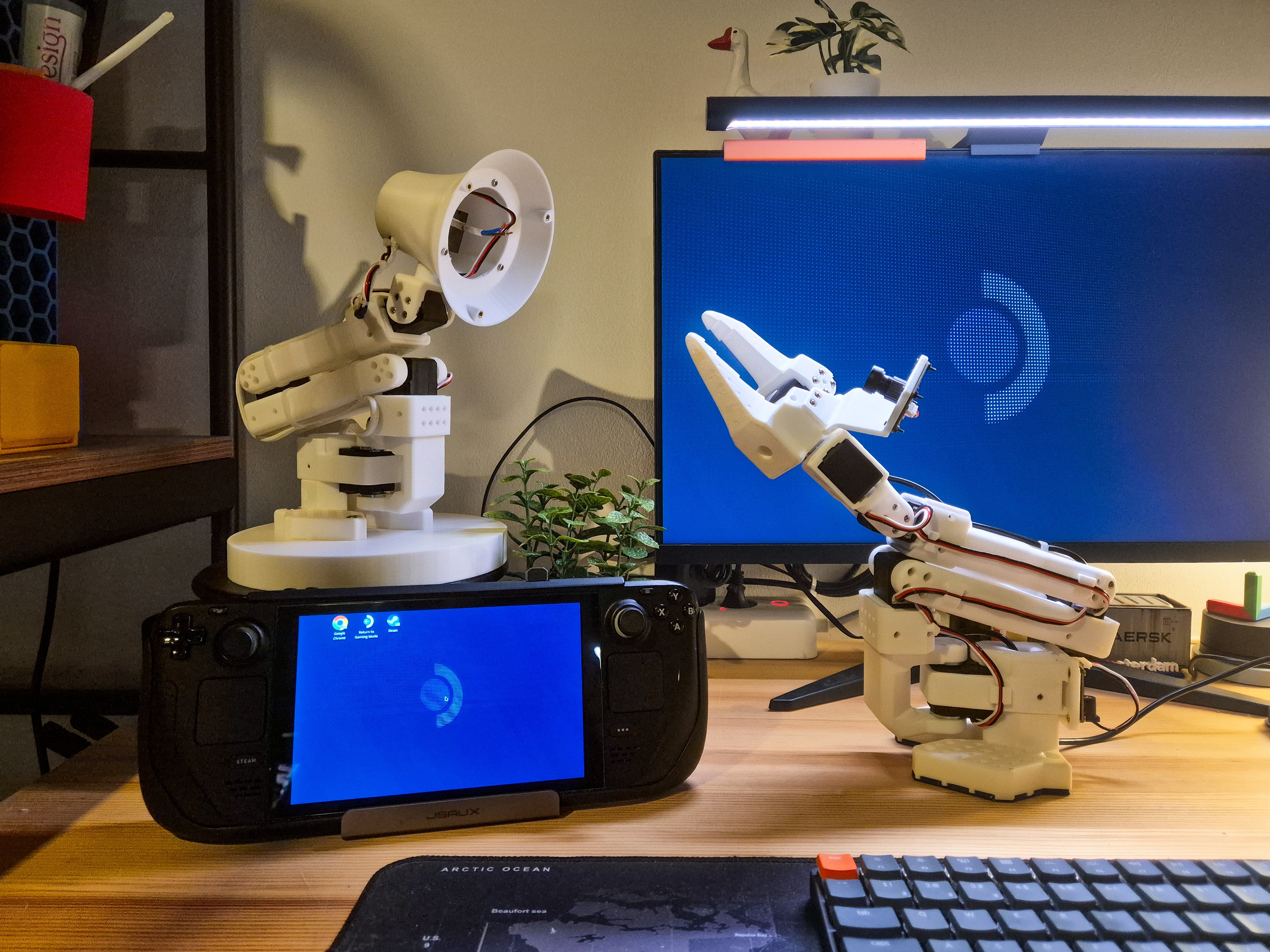
Since I no longer need a second arm, I decided to use the motors for a different purpose. I assembled a second arm, stopped at the wrist flex joint, and attached a lamp to it instead. Less "pick and place", more a desk lamp with a mind of its own. I've got some ideas for this as well, more on this soon...
https://x.com/kamathsblog/status/2084967976457871722
Meanwhile, my search for a docking solution for LeKiwi continues. This is one of the last pieces to the LeKiwi hardware puzzle, now that the software is mostly sorted. I am also replacing the power-hungry Luxonis OAK-D S2 with a better depth camera that also draws lower current, and this should help with the automated docking. On the software side, I am also working on a few things related to voice control and AI that I will start posting about in the coming months.
https://x.com/seeedstudio/status/2085635572119523708
Finally, I want to take ros2-skill from "quietly testing it on my own robot" to something I'm actually comfortable pointing people at. That means cleaning it up, documenting it properly, and formally launching it — at which point I'll be actively looking for testers and contributors to help kick the tires on it. I hope I get this working in time to register a lightning talk at one of the upcoming ROSCons that I plan on attending...
Besides the projects themselves, I think Kamath Robotics is in a genuinely good place right now. Six months in, I'm spending my evenings and weekends on exactly what I set out to do — building robots, writing about them, and increasingly getting to do both for people who care about the same things I do. The partnerships and media access have also meant I can keep showing up to conferences and building the things I want to build, without it costing me a small fortune. Six months ago, this was a registration with the Chamber of Commerce and an idea; now it's a real, nearly sustainable way of working, and I'm proud of that.
Here's to the next six months. Onwards!